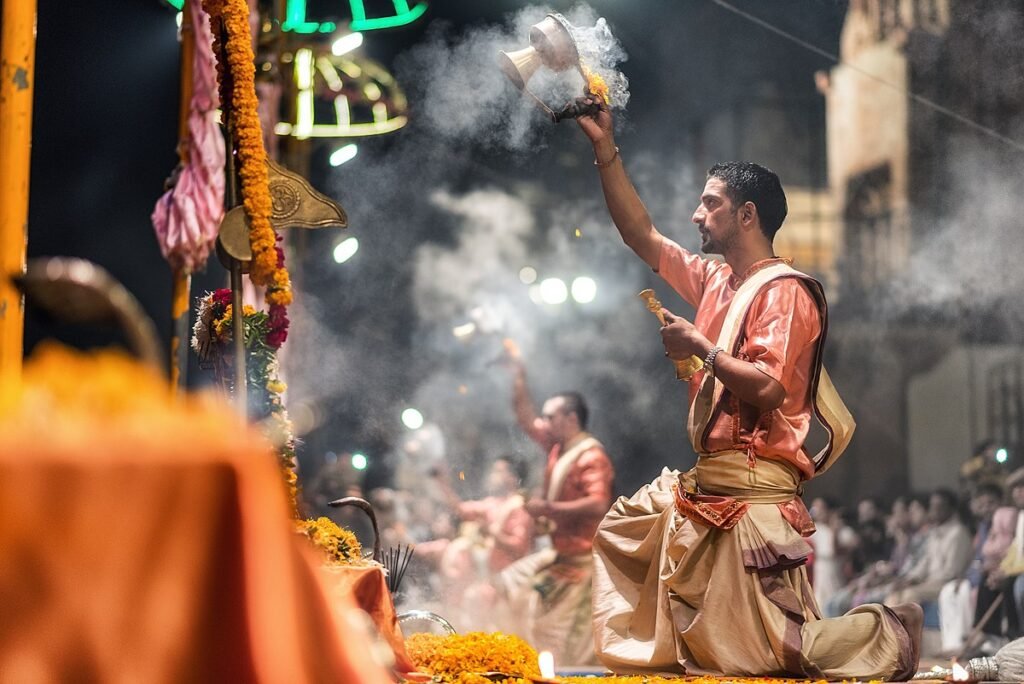
In Hinduism, Paschatap means repentance or remorse for wrong actions, thoughts, or words. It is a way to cleanse oneself spiritually and seek forgiveness to restore harmony within and with the divine. Here’s how one can undertake Paschatap:
1. Acknowledge the Mistake
The first step is self-awareness—recognize and accept the wrongdoing without justification.
Reflect on how the action may have hurt others or deviated from dharma (righteousness).
2. Sincere Apology to Those Affected
Offer a heartfelt apology to anyone you may have hurt or wronged.
This act of humility is a crucial part of seeking forgiveness.
3. Prayers and Devotion
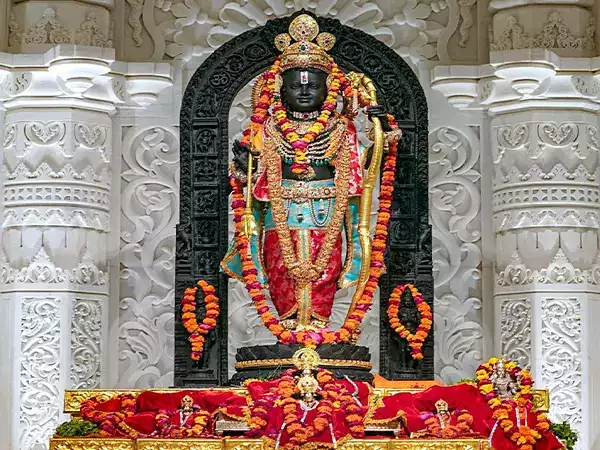
Pray to your Ishta Devata (chosen deity) with a pure heart and seek forgiveness.
Recite mantras like the Gayatri Mantra, Maha Mrityunjaya Mantra, or specific prayers dedicated to the deity.
4. Perform Fasting and Austerities (Tapasya)
Undertake fasting (vrat) on auspicious days or during festivals like Ekadashi or Navratri as a form of self-discipline.
Engage in acts of self-restraint to purify the mind and body.
5. Seek Guidance from Scriptures
Study sacred texts like the Bhagavad Gita, Ramayana, or Upanishads to understand the principles of righteousness and learn from the lives of divine characters.
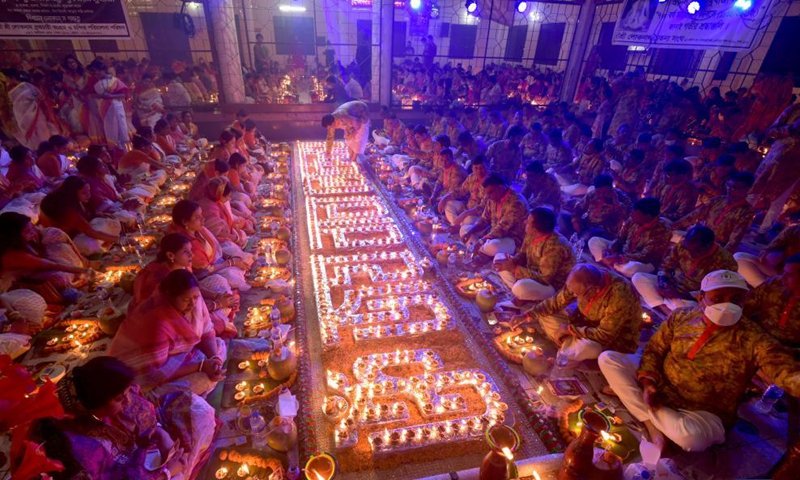
6. Perform Puja or Homa
Conduct a special puja or fire ritual (homa) as an offering to God for cleansing the sin.
Temples often have rituals like Shanti Puja or Prayaschitta Puja specifically for repentance.
7. Charity and Good Deeds (Seva)
Engage in acts of kindness, service to the needy, or donations to temples, orphanages, or other causes.
This helps balance karmic effects and spreads positive energy.
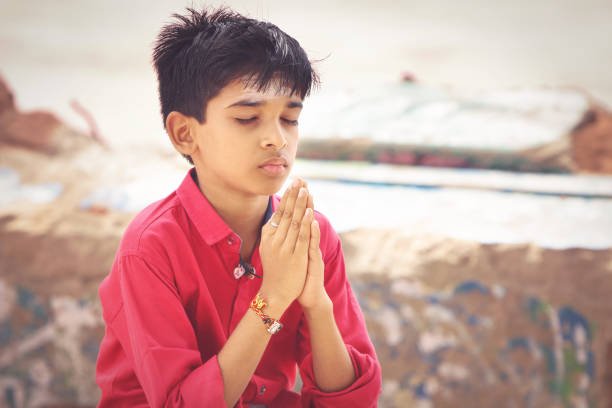
8. Meditate for Inner Purification
Meditate daily to calm the mind, connect with the inner self, and cultivate forgiveness for oneself and others.
Chanting the name of the deity (nama japa) is particularly powerful.
9. Resolve Not to Repeat the Mistake
Make a firm commitment to avoid repeating the wrong action.
Strengthen your willpower through spiritual discipline and mindfulness.
10. Forgive Yourself and Move Forward
After sincere repentance, forgive yourself and let go of guilt.
Trust in God’s grace and focus on living a virtuous life going forward.
Conclusion
Paschatap is a transformative process that helps a person reconnect with their true self and divine consciousness. It is not just about seeking forgiveness but about realigning with dharma and striving for self-improvement. Through repentance, devotion, and righteous actions, one can cleanse the soul and progress on the path of liberation (moksha). 🙏